

The Narrative War
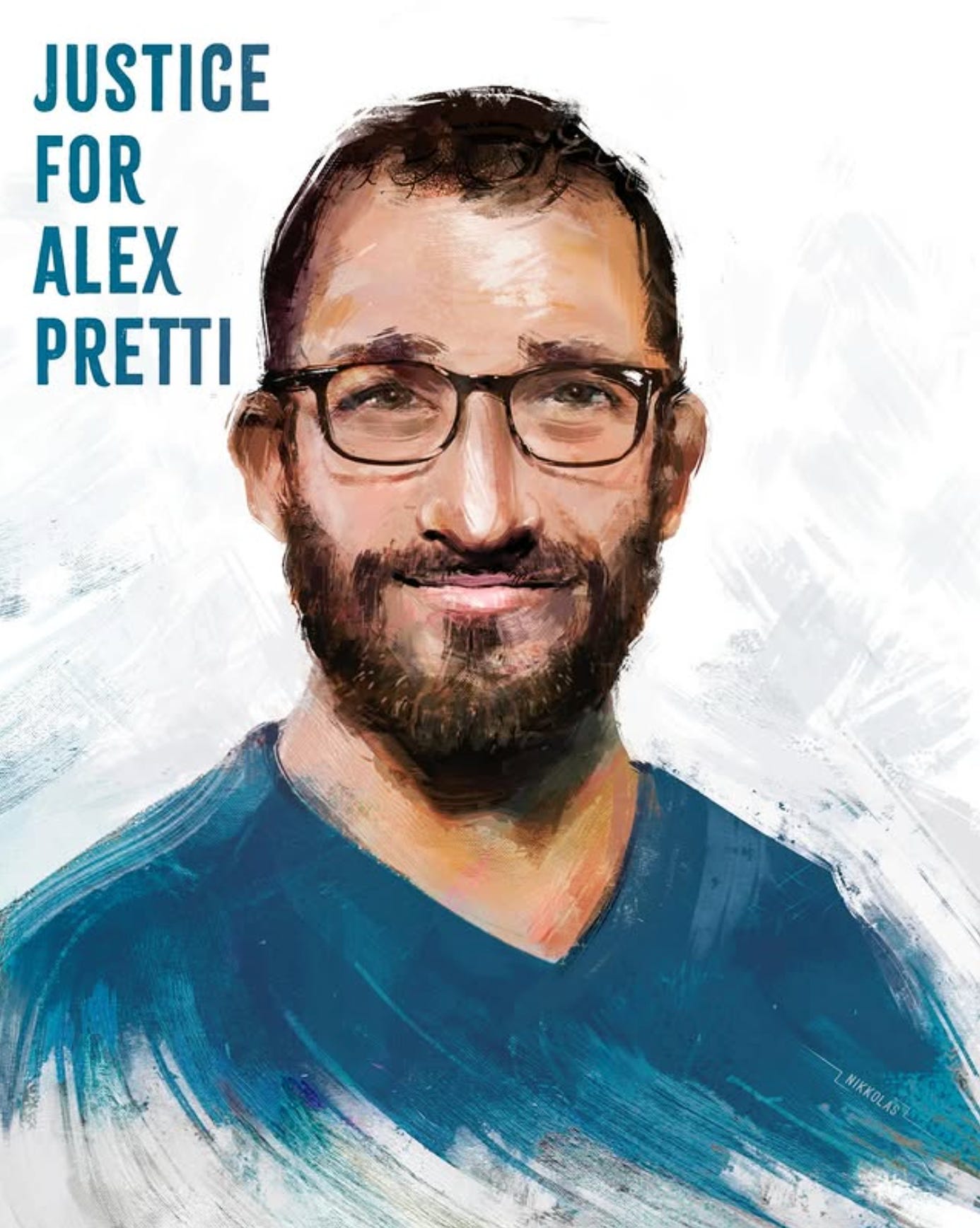
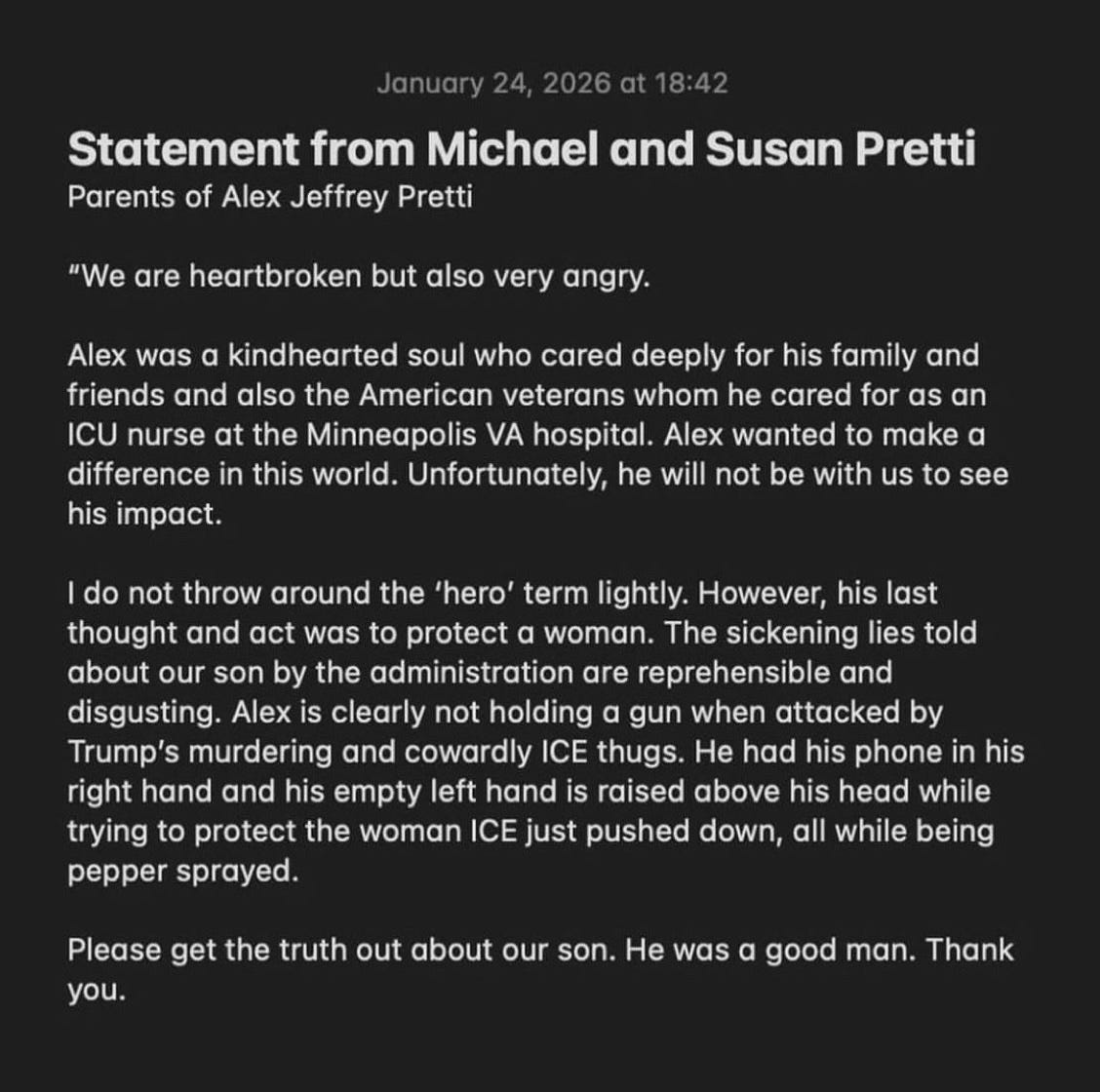
For Alex Pretti, A Hero.

I keep thinking about the moment when language breaks eye contact with truth. When we look away and words lose their meaning because they stop answering to what they see. This is how narrative wars begin. And if you haven’t noticed, Friends, we’re living in one.
We’re living in a time when people who stormed the United States Capitol with guns, bricks, poles, bats, rage and chanted intentions to hang the Vice President are retroactively designated as “patriots” by the government… while an ER nurse with a legal, registered, firearm secured in his waistband as he held his camera phone and defended a woman from being attacked is branded a “terrorist” by the same government.
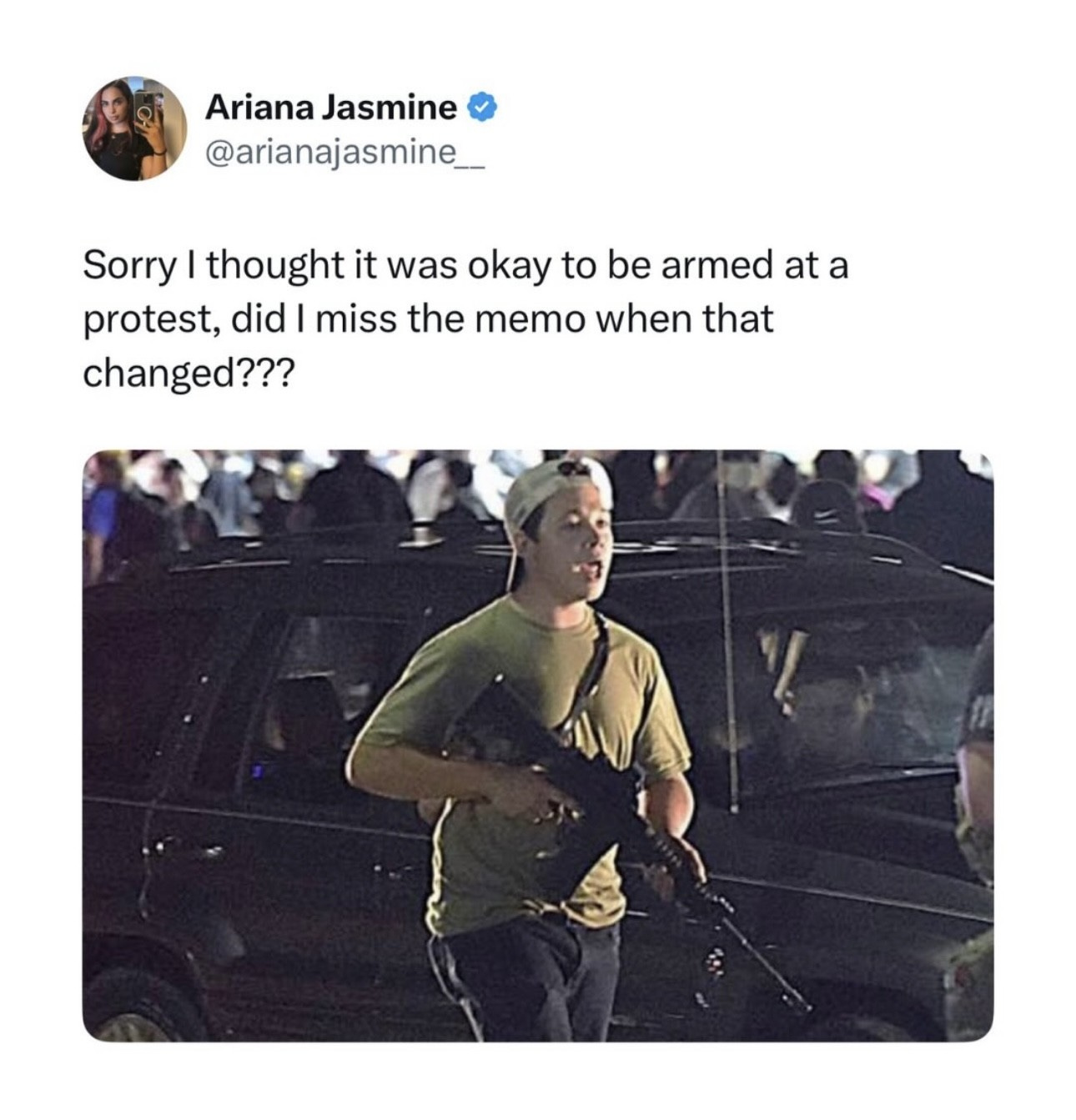
The first rupture of democracy isn’t really between people and power. It’s between language and what words are willing to acknowledge or betray. This kind of thing doesn’t announce itself or blow into town with sirens and fanfare. It shows up through familiar words like “patriot,” “criminal,” “security,” “order” and so on. And it asks us to nod along.
Language performs essential work because once violence is sanctified by vocabulary, for many, it doesn’t need justification anymore. It doesn’t need evidence. Hell, it doesn’t even need an investigation or due process of any kind. For many, if the powers that be say it - then so it is and so be it.
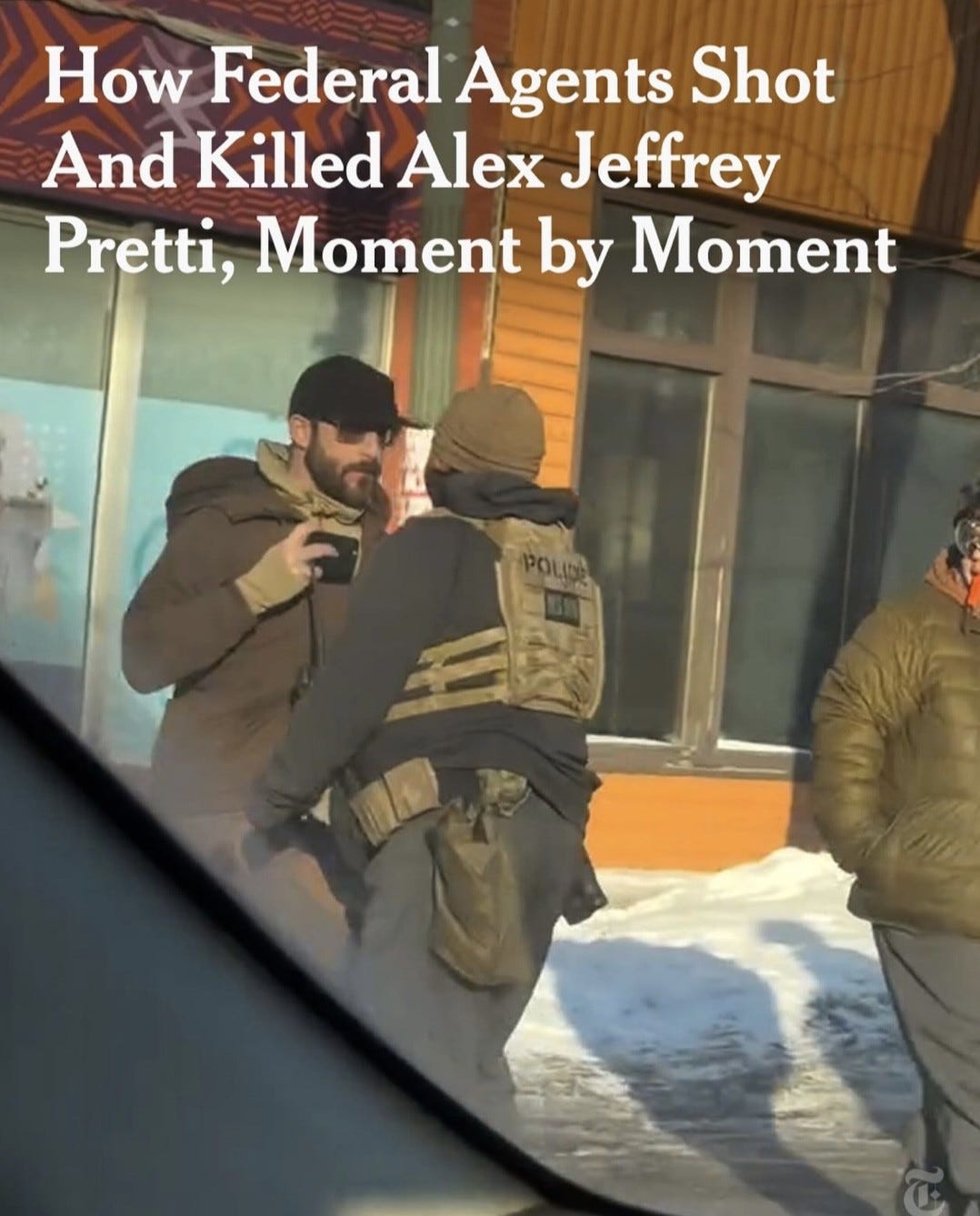
My question to myself is, how much am I assisting this with my very own words. Let’s take the phrase “law enforcement,” for example. When it’s used without specificity, it becomes less of a description and more of some kind of moral shield that most don’t even question. Law enforcement. What law was being enforced in the murder of Alex Pretti by ten gunshots aimed at him point blank while on his knees surrounded by “officers?” What law was being enforced? If none, then we should not continue to call the travesty of justice that we see “law enforcement.” We don’t let them have that or win that. Because when precision disappears, any idea of accountability goes out the window with it. Everything flattens. When we’ve accepted their words, now we’re speaking their language. We’ve accepted their ground rules, their foundational ideas and assumptions. And on their turf, they win.
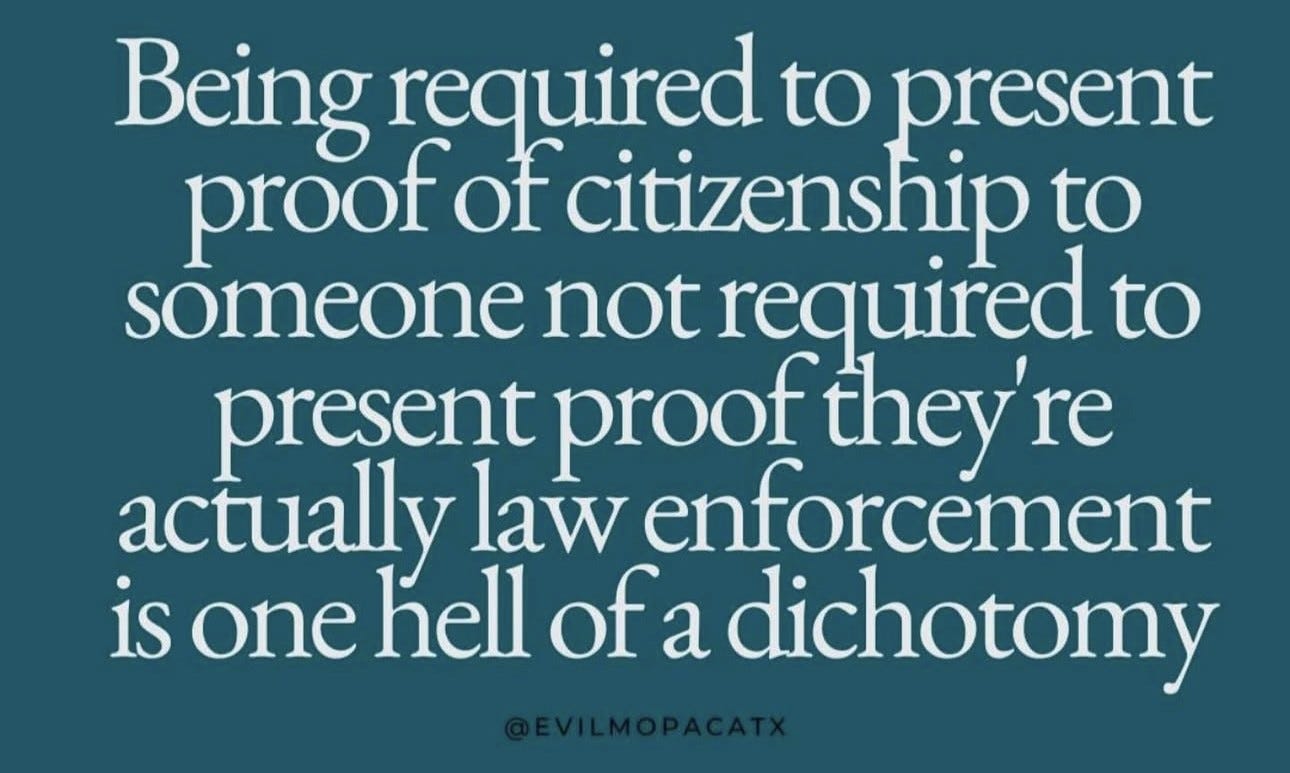
This is why specificity is not a stylistic preference, but a DEMOCRATIC REQUIREMENT. We’ve gotta say what happened, who did it, to whom and why. And then say it again. And then again. We’ve gotta resist the blatant political strategy where language is used to reorder our moral perception. Where Kristi Noem tells you again and again that your own eyes are lying, although it’s clear as crystal that she’s the liar.
Historically, propaganda doesn’t succeed by convincing bad people to do bad things. It succeeds by convincing good people to stay loyal to words and stories even when evidence has left the room. You’ll know it when you see it. It’s when people defend a false narrative they did not experience, repeat phrases they did not interrogate or understand and accept violence wrapped in certain language. Certain words.
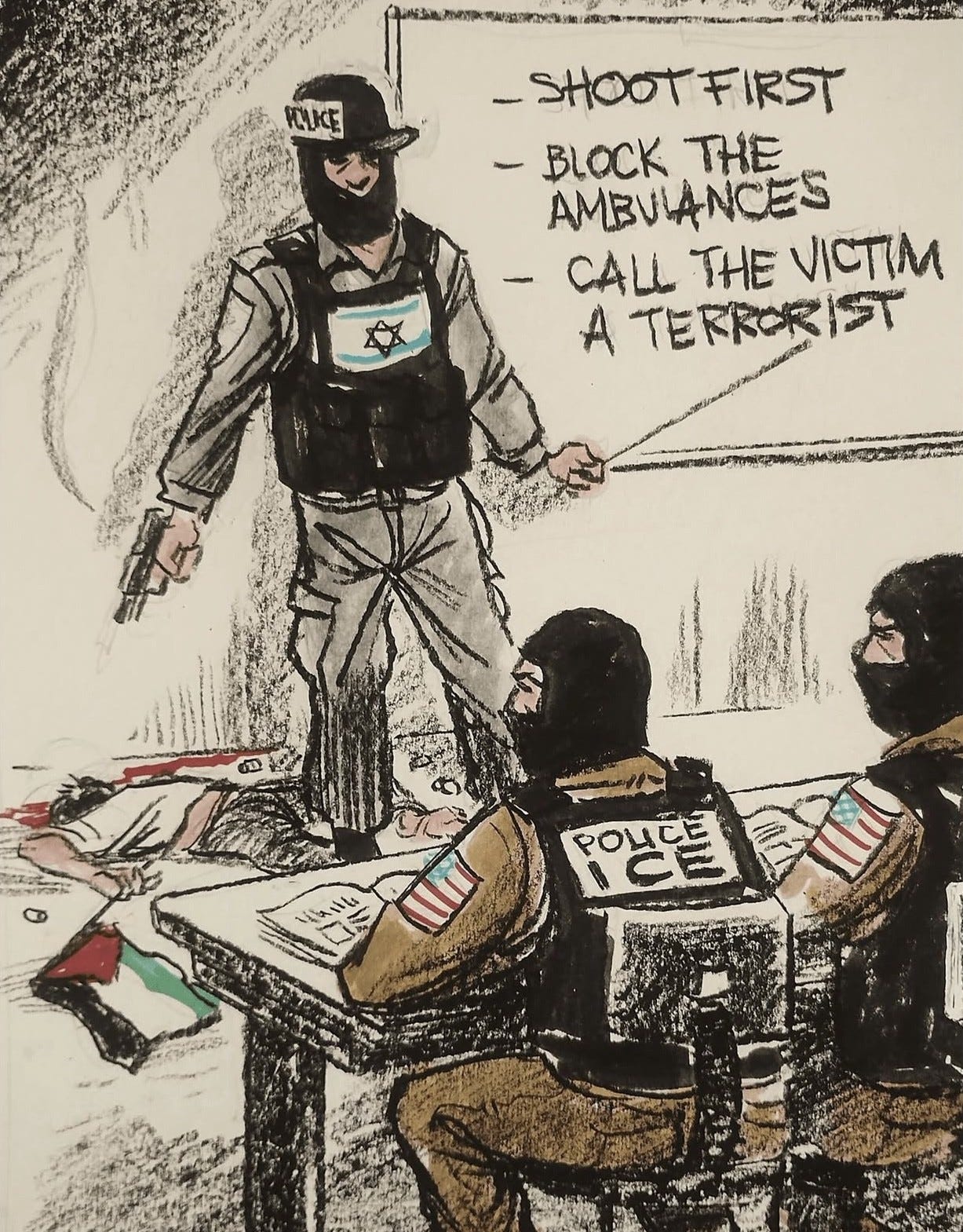
The Trump regime tells us that their actions are about “safety” from our “enemies.” When we hear these words, let them be alarms. Narrative wars rely on fatigue. They depend on the assumption that citizens will grow tired of parsing language and that attention to words is secondary to “real” concerns. But history tell us the exact opposite.
History tells us that language is one of the most important battlegrounds. It’s often where political realities are first reorganized. So by the time physical consequences follow, the conceptual work has already been done. How does this happen? Through the omission and repetition of WORDS. For instance, once major news outlets reported on a piece of legislation with the administration’s carefully chosen title of “The Big, Beautiful Bill,” we ceded that battleground. Once that happens, the distance between what we see and what we are told becomes easier to tolerate. And you will believe their eyes and not your own.
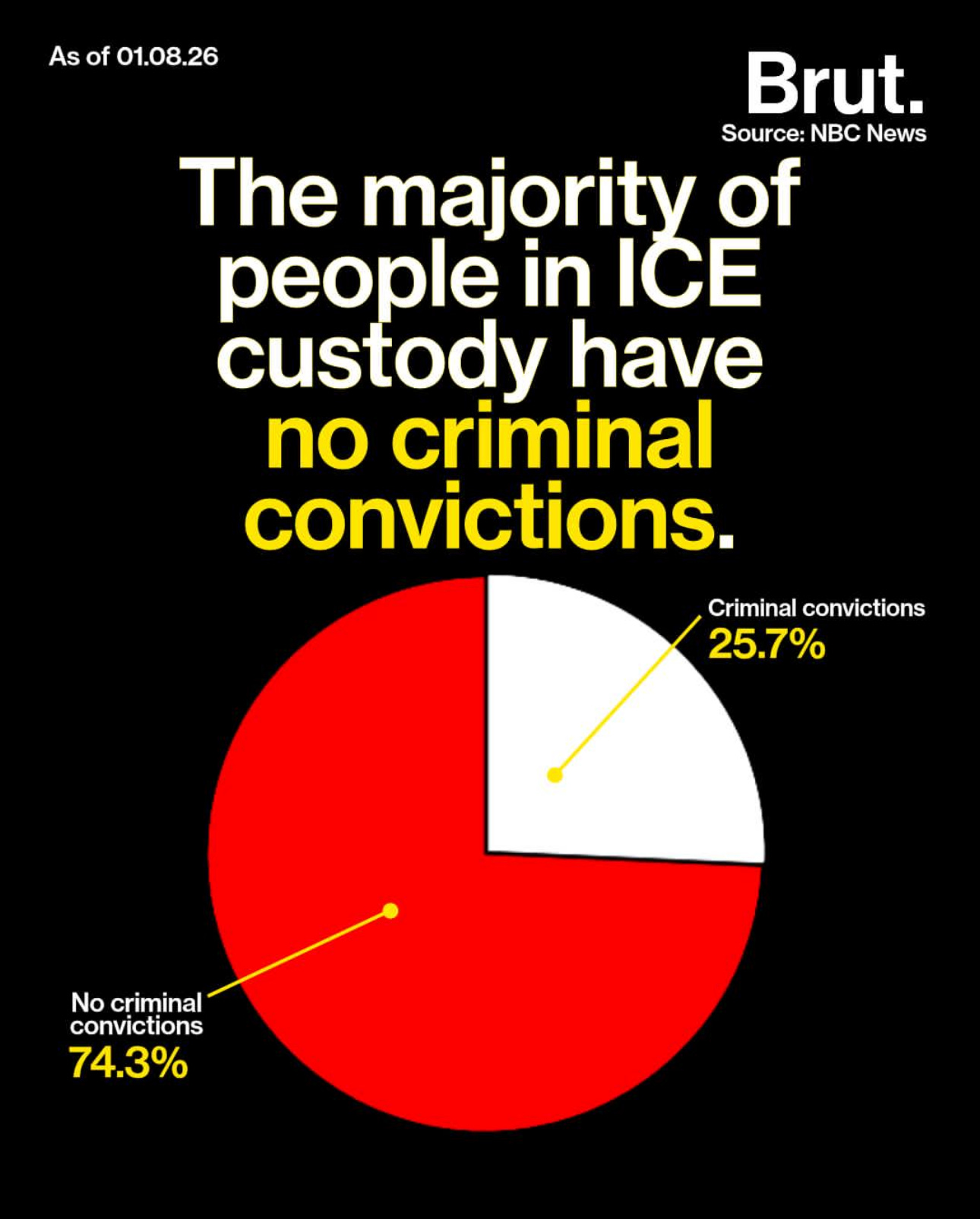
Knock down, drag out vigilance over language is a necessary form of democratic defense. Our attentiveness to what’s being said and the words WE OURSELVES use is critical. Notice how what we say can both obscure and authorize - often without us even realizing it. Do we continue to say the words “immigration enforcement” when we know that this latest nightmare is not about immigration at all? If it were, the numbers would tell a different story. Red states like Texas (2.1m) and Florida (1.6m) have more undocumented residents than the blue state of Minnesota (135k). So why is “immigration enforcement” out in full force in a state with such small numbers and not in others? What are they actually enforcing? Why are they doing it? How are they doing it? And for whom?
We have to be tireless in asking these questions. Because the narrative war depends on our fatigue. It depends on the assumption that language is secondary to survival and that none of this can be stopped anyway… so why try. But disengagement is exactly what allows these stories to harden. It counts on the idea that we are too tired to push back or too overwhelmed to ask better questions or too busy surviving to notice the story being performed. But we can always choose otherwise.
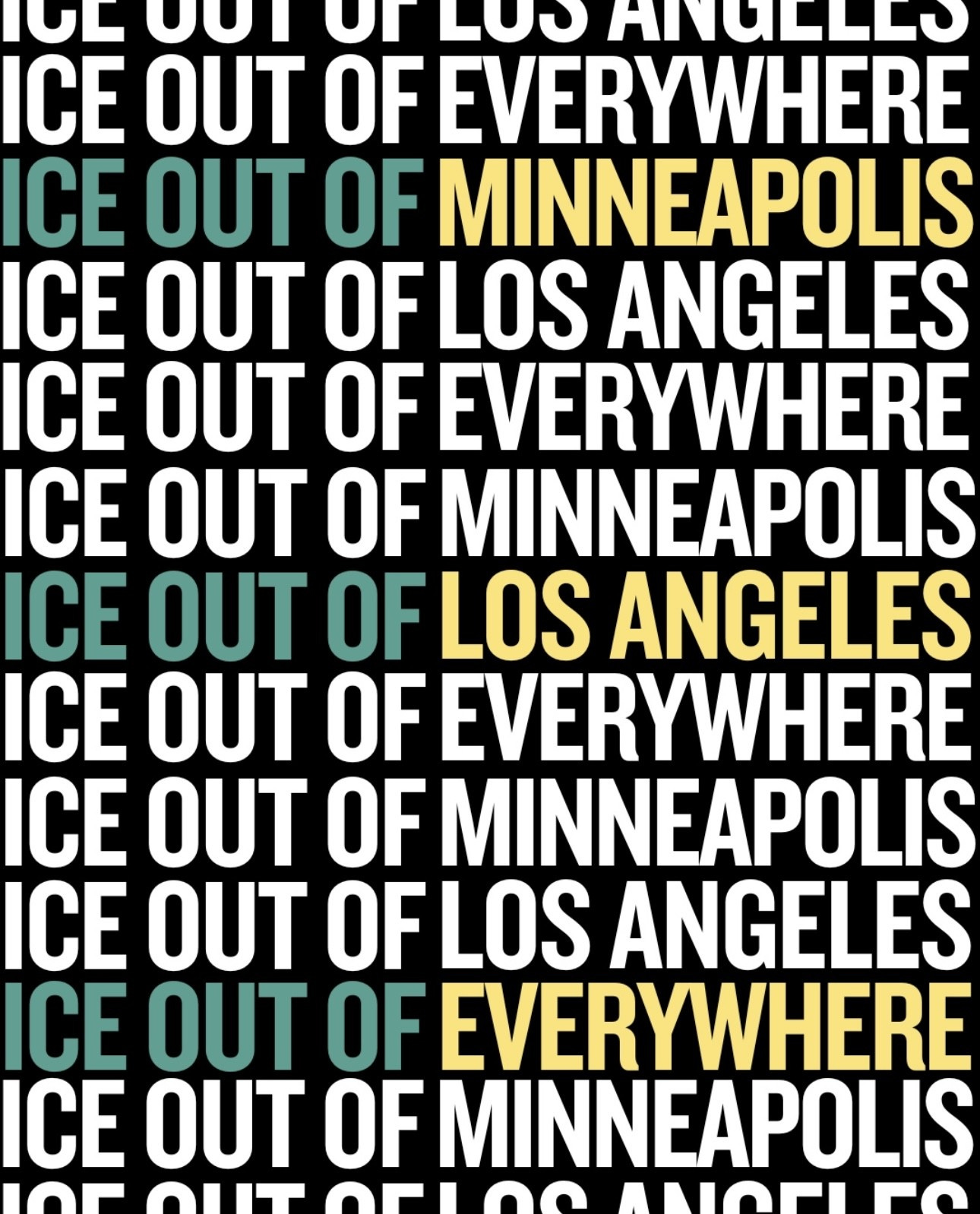
People often ask: What can I do in these terrifying times? My answer today is that it’s not just voting and protesting. Although those are important to do. My answer today is that you can start with another more personal task: watch your mouth and trust your own eyes. Interrogate the language of EVERYTHING you say and hear - and refuse to repeat what doesn’t align with reality. Law enforcement. Immigration enforcement. Safety. Criminal. Patriot. Think first before you say it. And before you believe it.
The steady normalization of what would have once shocked us has been a hurdle for many of us during the past year of Trump’s presidency. But, for others, these past few weeks have broken through a barrier, a haze, if you will. The murders of Renee Good and Alex Pretti and the kidnapping of little Liam have shocked many. Let’s use the shock.

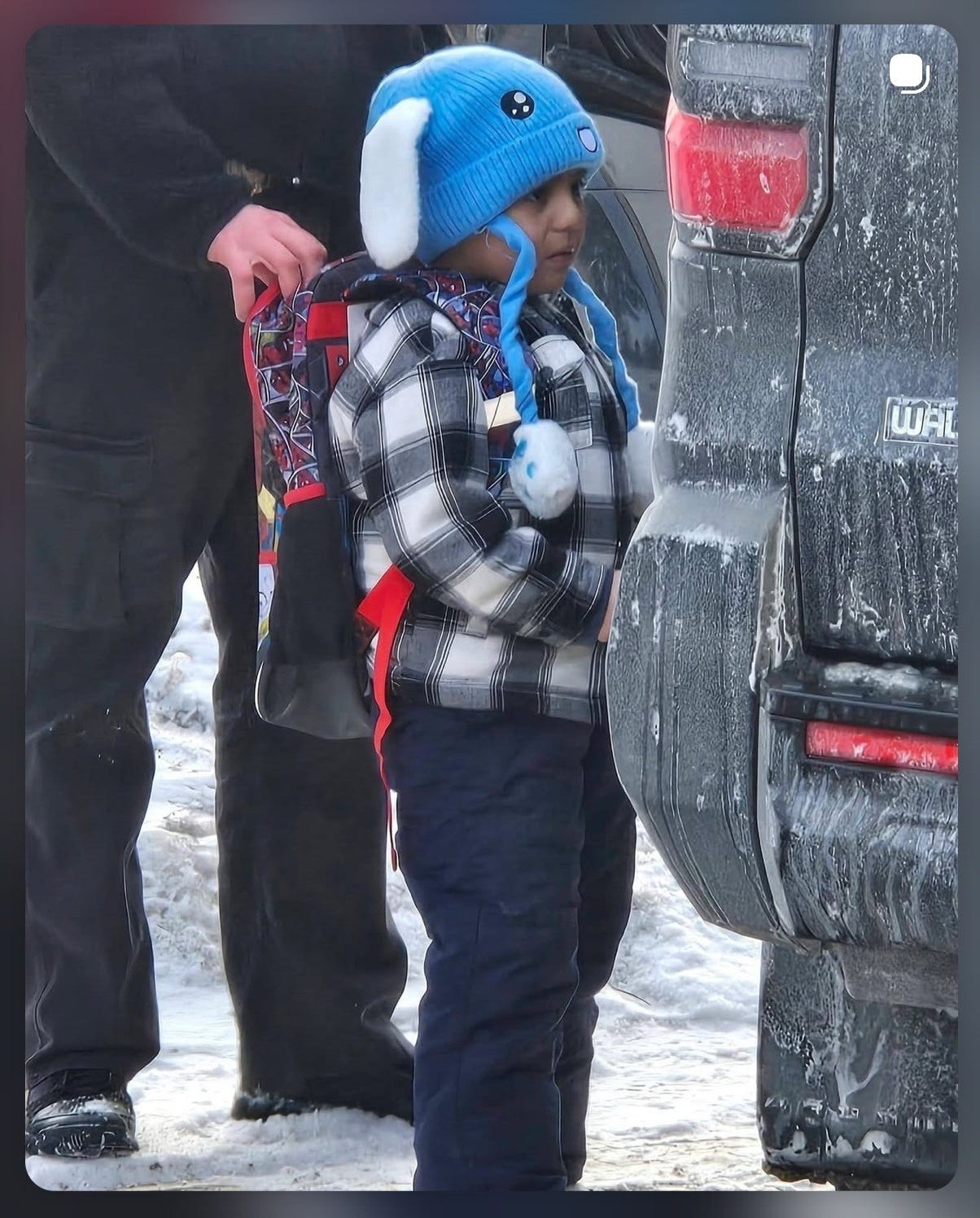
Because this narrative war is real. But, the tide turns in our favor the instant we decide to see and say for ourselves. Let’s get our words right. Let’s look our opponent in the eye and speak truth. WORD FOR WORD. Wherever you are. Every day.
Rest in power and peace, Alex. And thank you for your words and your actions.
ONWARD is now FREE for everyone.
Every subscriber has access to everything.
No tiers. No paywalls. One conversation.
Words matter. Precision of language and being impeccable with our words. Whereas the disinformation machine curates fabricated talking points. Those of us with eyes to see and ears to hear need to attest when we see lawlessness enacted by the true domestic terrorists. Masked unidentified and unnamed. Feeling helpless to act from Georgia, but there is a hearing in my county tomorrow on a resolution to demand the removal of ICE from our neighborhoods. I’ll be sending an email to support the resolution. These small acts of truth reinforcement must add up to something. We must also fight to have the will to do the things we have the power to do within our sphere of influence. They are trying to break our souls. We must endure.
Thank you for this post. As a narrative strategist working inside of social movements, it is incredibly difficult to get our communities to shift away from the language of the state to use language that is both more accurate and reflective of our material conditions, and that puts us in positions to build narrative power…which is at the core of all forms of power we need in the pursuit of liberation: electoral, cultural, political and social and economic power. Longstanding narratives can indeed change but it takes message discipline, increased commitments to media literacy (because mis and disinformation is out of control) and hope that the stories we tell about our real lives will chip away at the facade the right is trying to uphold.