

Perfect Vessels
On Cesar Chávez, Dolores Huerta and the cost of our heroes

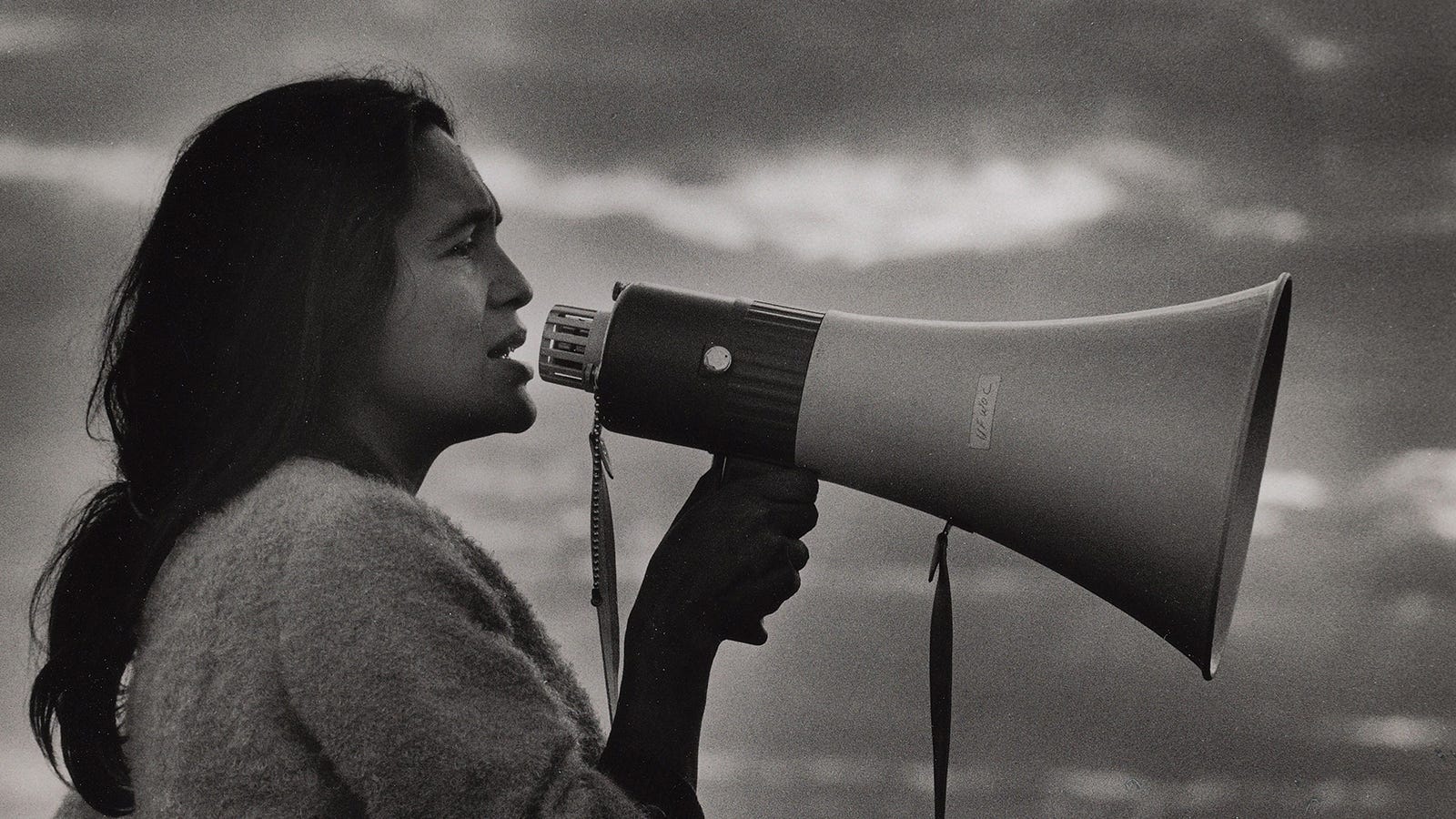
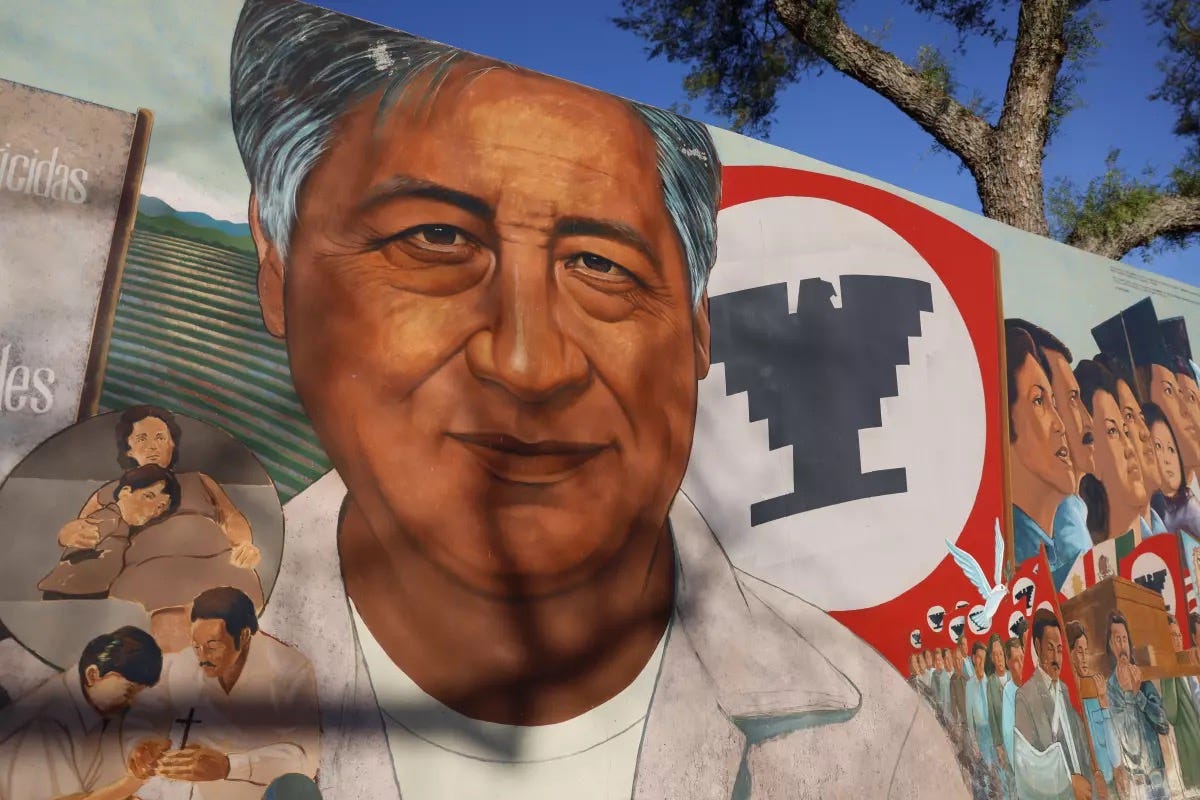
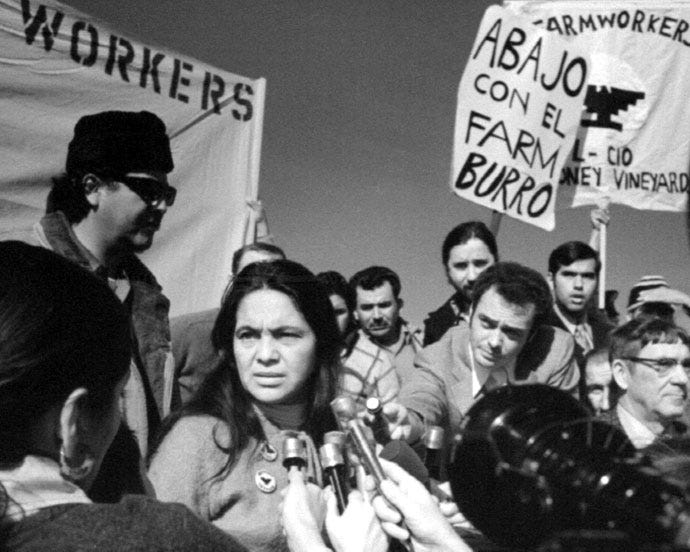
Two mornings ago, I woke up to a statement in my feed from the legendary activist Dolores Huerta that human rights icon Cesar Chávez sexually assaulted her, describing one incident as rape. Cesar Chávez. His face has been painted on murals across my home state of California since I was a girl. His name graces schools and boulevards and parks and the hearts of millions of people who believe in civil rights and social progress, especially within the Latino community.
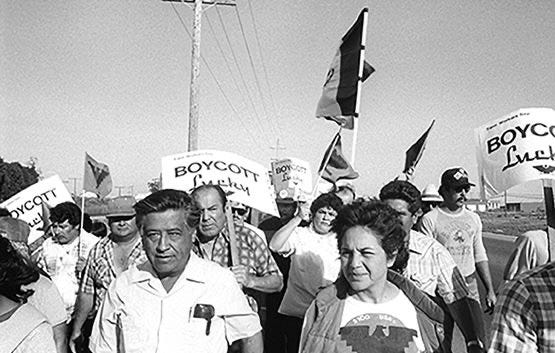
The collective that Cesar Chávez and Dolores Huerta co-founded in 1962 went onto become The United Farm Workers. That org has confirmed that they are reviewing allegations about Chávez engaging in inappropriate sexual behavior with women and minors during his presidency of the UFW. It’s shocking. And terribly heartbreaking - for the girls and women who were abused by him, and for those who love them. Also, for the millions who’ve put Chávez on a pedestal.
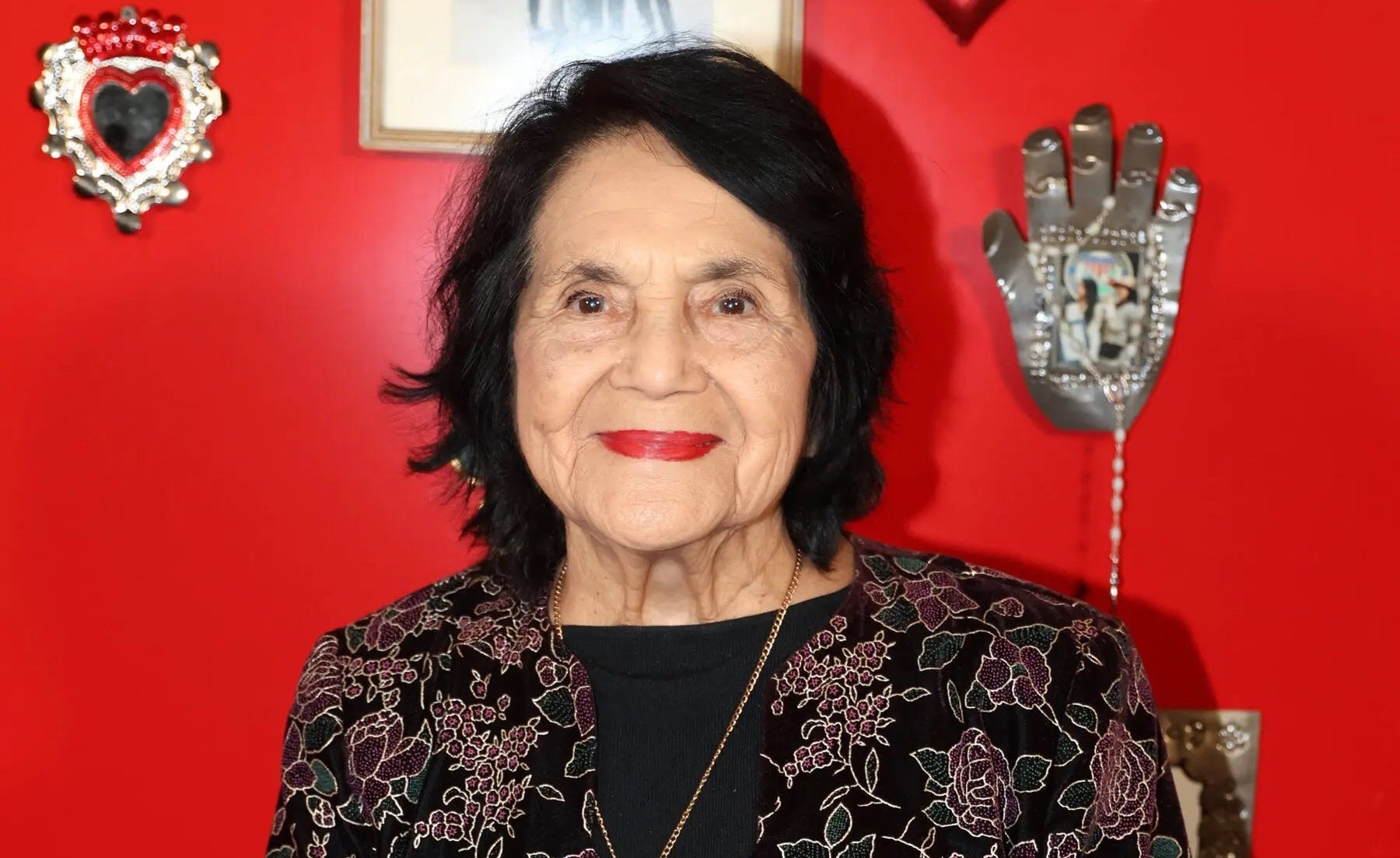
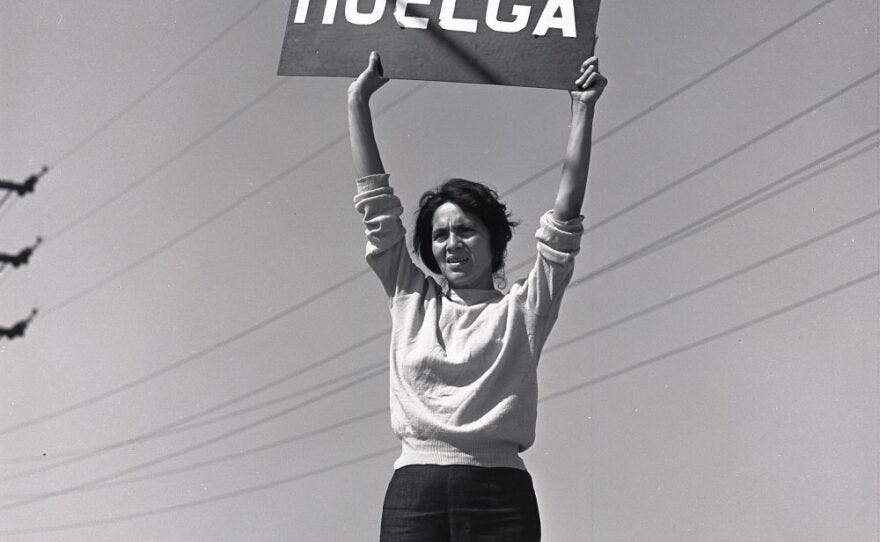
And then there is the specific weight of what Dolores Huerta herself carried. She co-built this movement. She bore two of Chávez’s children. While he was lifted into something approaching sainthood, she held the truth of what he had done to her close and quiet because she believed the movement was bigger than her pain. That is a particular kind of sacrifice that I find almost unbearable to contemplate. And now, after sixty years, she has decided to speak. At 95 years old. That takes a different kind of courage and bravery.
What do we do when we realize that our saints have sins of their own? The people who needed the righteousness and right-mindedness of Cesar Chávez aren’t those of us who’ll debate this stunning revelation from a comfortable distance. But the girls and women who trusted him, who looked up to him, who believed in him and were harmed by him. Others who deserved better were the farmworkers whose backs broke under the sun in the Central Valley. The mothers and fathers and young people who could not use the bathroom in the field and who were paid wages that kept them permanently in debt to the men who owned the land. For those hardworking people, Chávez was a hero. The grape boycott of the late 1960s, co-led by Chávez and Filipino activist Larry Itliong, worked. The cortito, which had bent farmworkers’ spines with permanent pain for generations, was banned. These things happened. Chávez’s sins can’t unravel the protection his work helped create. But those people deserved a man who built a movement to protect the powerless and lived by that, not one who committed damaging and destructive crimes on the powerless.
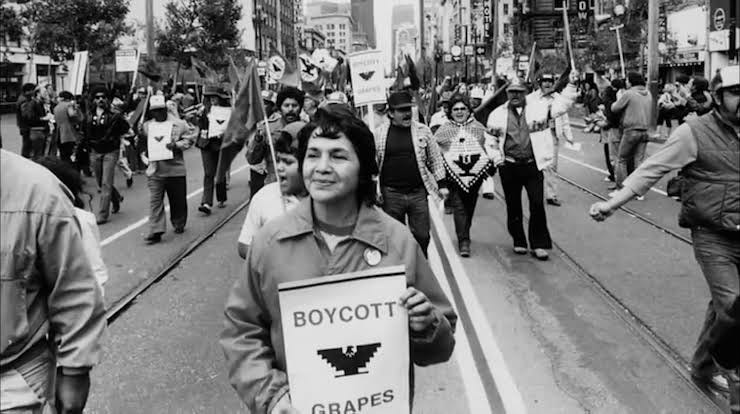
The brave women, once girls, have names we now know. Ana Murguia, Debra Rojas and Dolores Huerta are part of Chávez’s public story now, as they should be. These women should have been able to live in spaces where their safety was not conditional on their silence. How many organizers, advocates and everyday people have been asked — implicitly or explicitly — to swallow harm for the sake of a larger cause. It’s more common than we want to believe. And it is the opposite of solidarity. It is the oldest kind of power simply protecting itself.
So what do we do with the legacy of Cesar Chávez now? Who decides what we continue to embrace and what we cast aside?
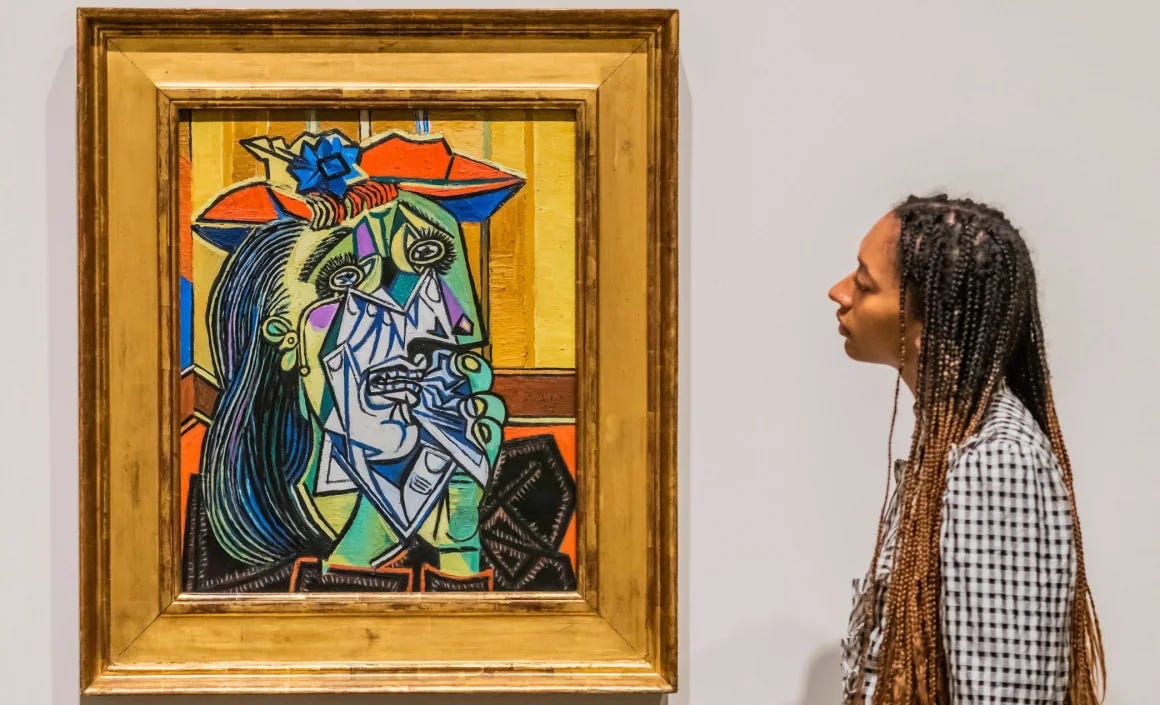
The names of abused women also exist inside the story of Picasso, who painted exquisitely, and by all accounts treated the women in his life with great cruelty. At least two of his mistresses died by suicide. And yet… his paintings still hang in places of great esteem. We still look at them. Should we?
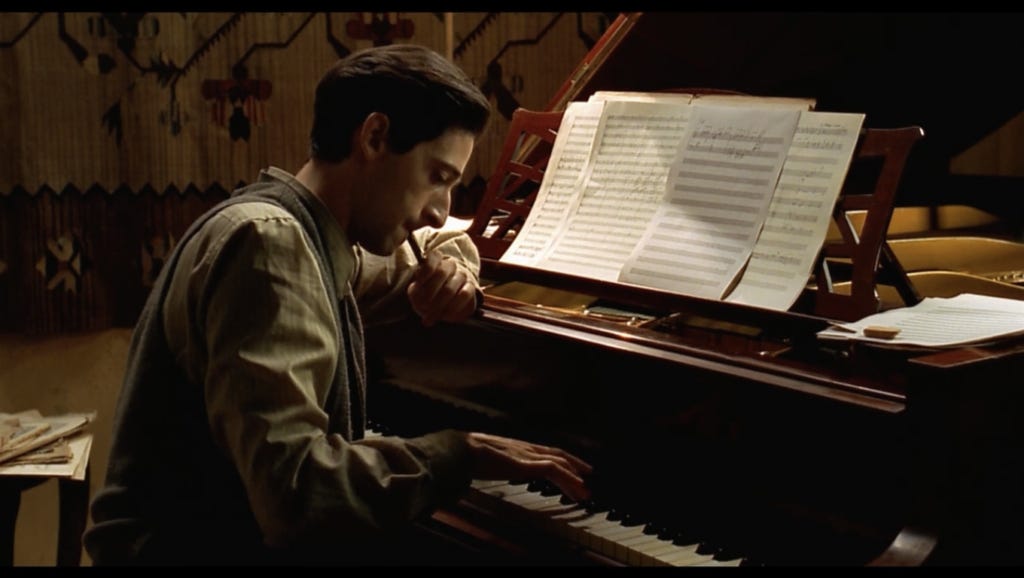
Roman Polanski. In 1977, he pleaded guilty to “unlawful sexual intercourse” with a 13-year-old girl, then fled the United States before sentencing. He still won the Oscar in 2003. He was given the award for Best Director for THE PIANIST. The man has lived comfortably in Europe for nearly half a century as a fugitive from justice. He received Hollywood’s highest filmmaking honor while being an admitted child predator and rapist. Who decides what we continue to embrace and what we cast aside?
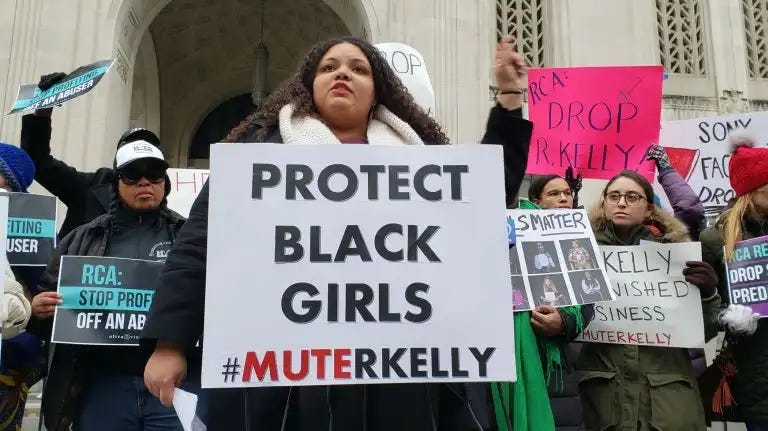
We do not dance to R. Kelly songs anymore. Or many of us don’t anyway. R. Kelly was convicted on multiple charges of child sexual abuse. He’s now serving a 30-year prison sentence. This is the same man who gave event planners everywhere “I Believe I Can Fly.” That song is played at graduations, funerals, moments of personal hope for millions of people to this day. The song is still beautiful. And for club goers, his other music still bumps. But all the while the singer-songwriter’s sexual abuse victims were children. Who decides what we continue to embrace and what we cast aside?
How do we parse this out? Can we or should we separate harm and evil from the good a person does?
Wagner, whose antisemitic writings made him a favorite composer of the Third Reich and whose music Hitler loved, is still played in opera houses around the world. Should we still listen?
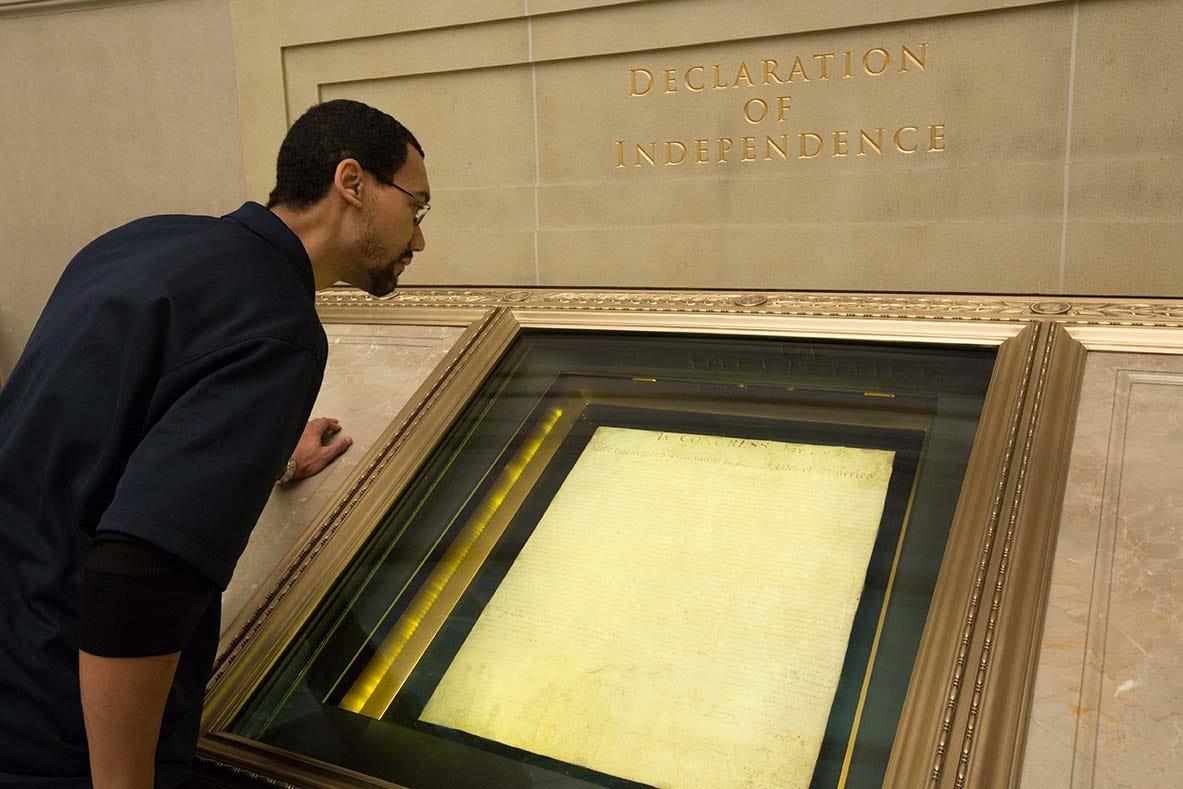
Jefferson, who wrote that all men are created equal, but enslaved over 600 human beings in the course of his lifetime, including the children he fathered with a woman he enslaved, Sally Hemings. Should we still believe in his words?
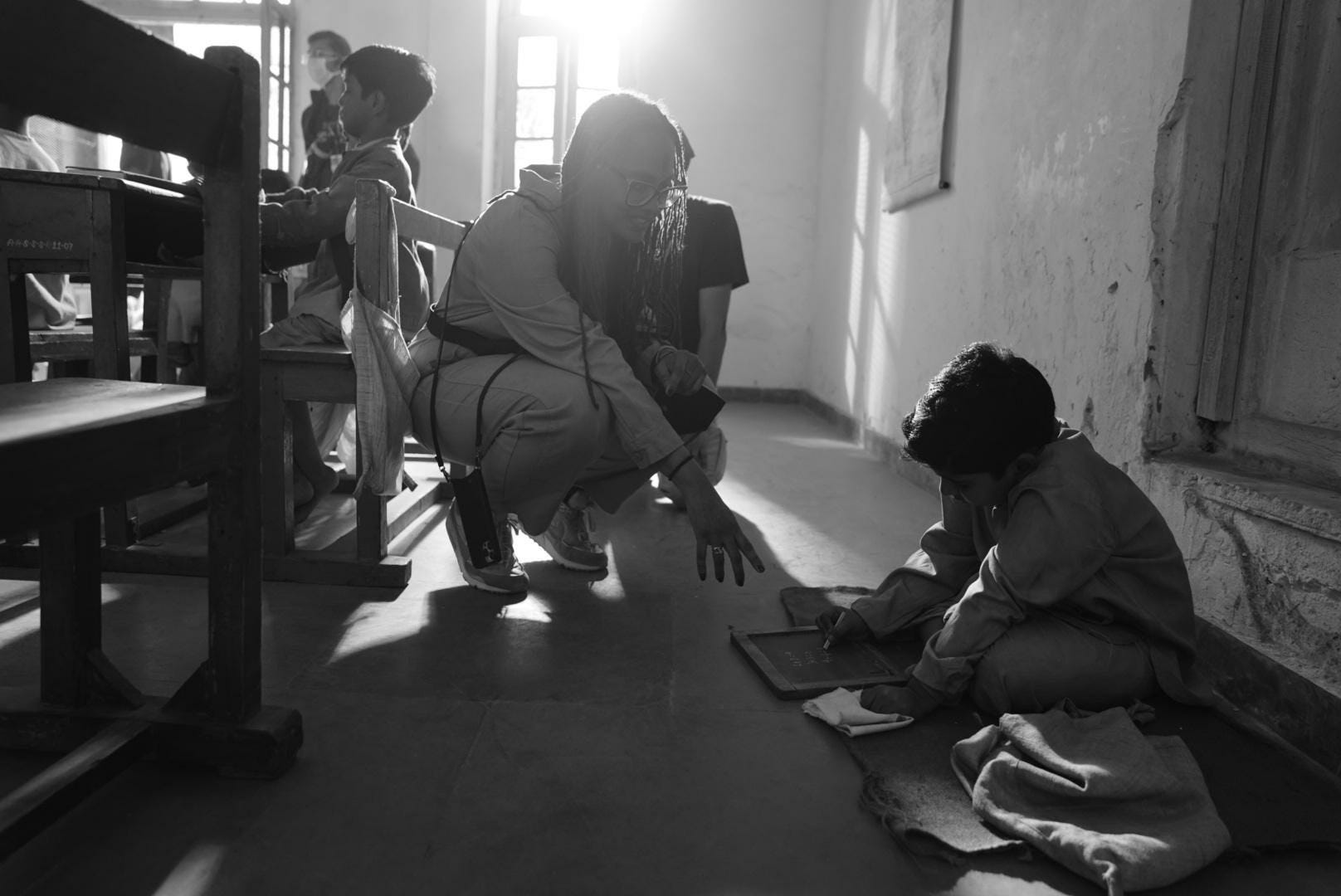
Making the film ORIGIN introduced me to a new view of Mohandas Gandhi. The historical record of Gandhi’s years in South Africa, from 1893 to 1914, is challenging, to say the least. His writings from that period use language about Black Africans that is dehumanizing. He lobbied for Indians to be treated separately from Africans, to have a different entrance at the Durban Post Office and to be confined to a separate classification in the prison hierarchy. A statue of Gandhi was removed from the University of Ghana in 2018 after a petition argued that his racism toward Africans disqualified him as a symbol of liberation for that campus. This action should remind us that no single man or woman, however great, contains the whole of a liberation story.
I don’t think answers are simple. We know that movements are not men and that art is not the artist. I know that. But still… whatever complexity we extend to the people who did and do great things, we have to also consider and make space for the people they harmed. Equal space. I don’t think that harm can be a footnote. A victim’s pain is not a philosophical dilemma for us to write about on Substack. It is their life. Their heart. Their body. Their mind. Their broken spirit. They are owed something more than our debate.
Because the work is real - and the harm is real. Holding both truths at once is actually the harder and more honest path. It asks us to grieve what was lost without pretending it was never there, and to reckon with what was done without erasing the people who were hurt in the doing of it.
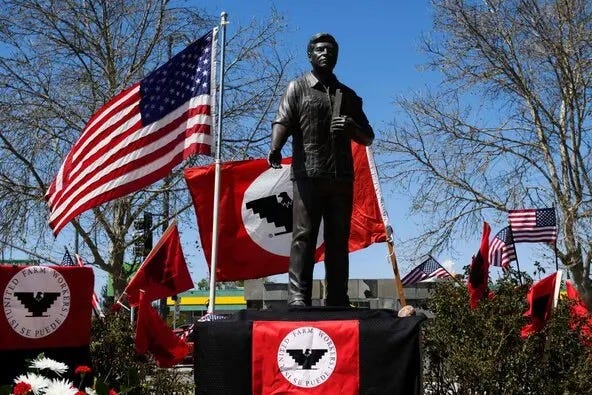
We’ve got to be suspicious of our own tendency to place human beings at the center of liberation stories, I think, because liberation does not live in one body. When we decide it does, we make ourselves vulnerable to the kind of collapse that we see with Chávez. This latest revelation reminds us that if we demand that liberation comes through perfect vessels, we cement the reality that liberation will never fully come. Because… perfect vessels do not exist.
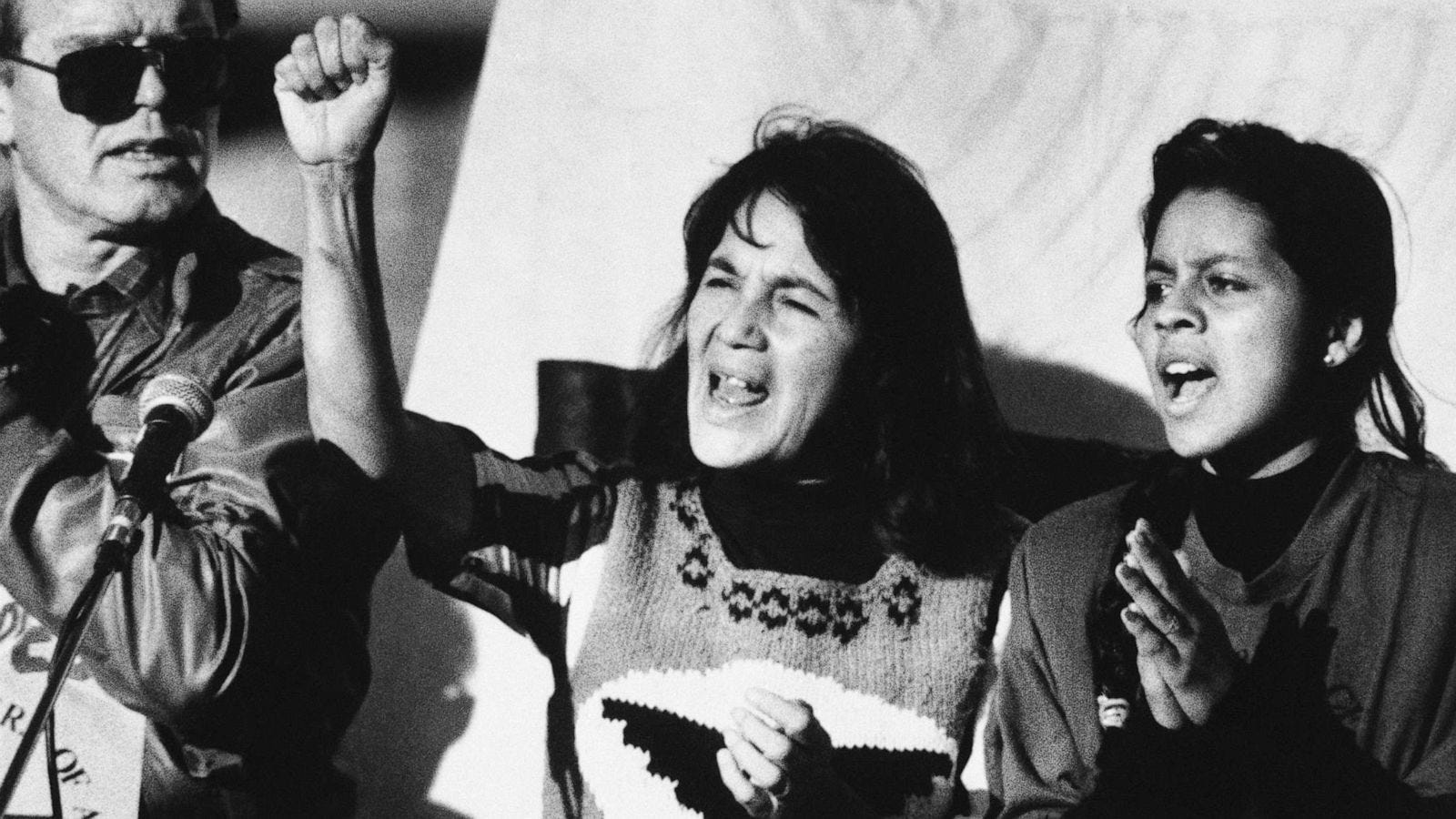
In the explosive NY Times expose on Chávez this week, one of his victims is profiled. Her name is Esmeralda Lopez. Her quote below sums up my unruly thoughts on the matter better than anything I’ve written here. “It makes you rethink in history all those heroes,” Ms. Lopez said. “The movement — that’s the hero.”
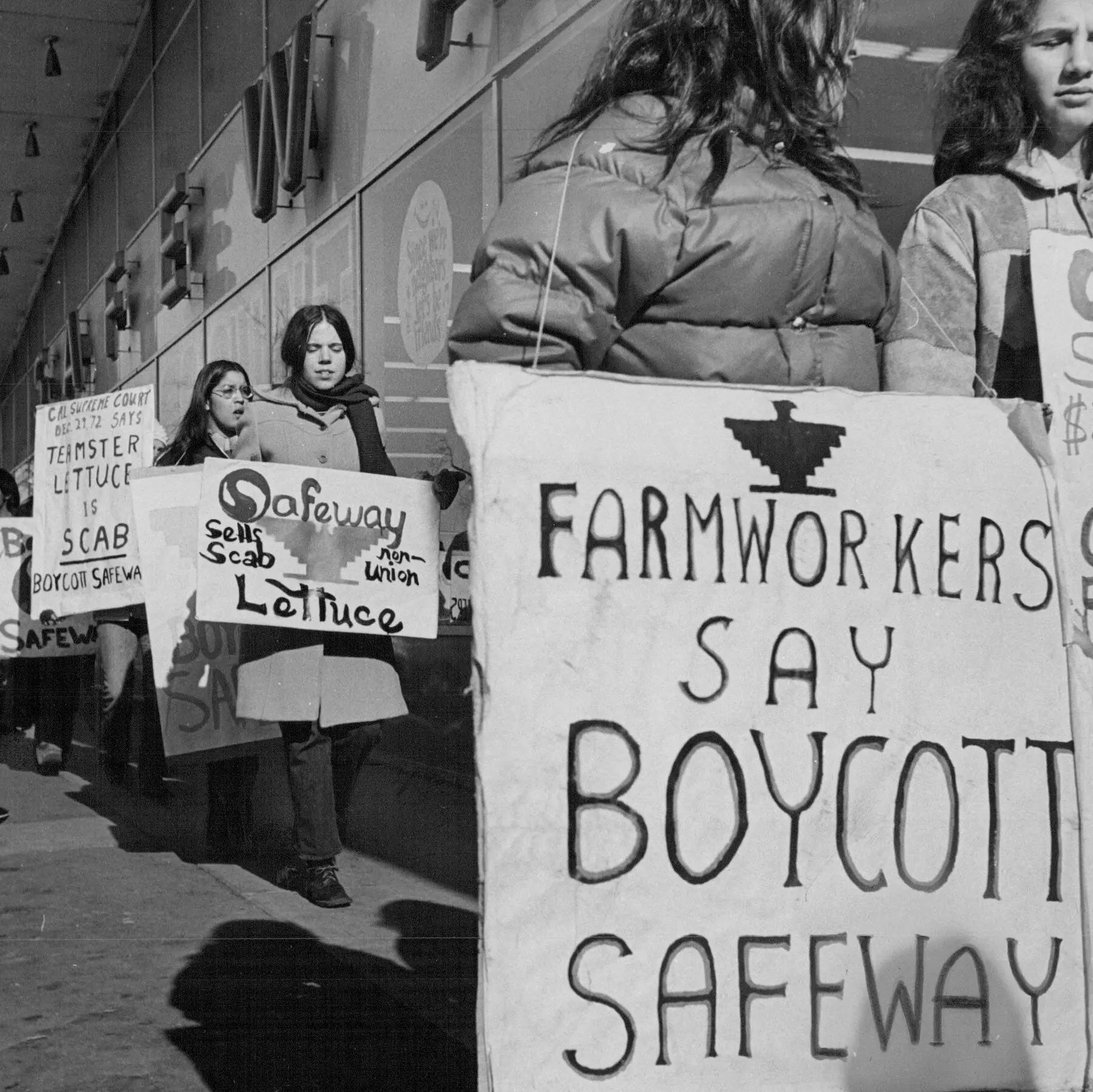
Indeed. Every time we let ourselves love a symbol more than we love the people the symbol claimed to serve, we are setting ourselves up. The mural is not the movement. The name on the boulevard is not the work. The hero is every person who showed up in the fields, who boycotted the grapes, who believed their labor and their life deserved dignity, and who deserved, in return, to be safe inside the thing they were building. The true heroism lives in the harder, messier, more honest place where we hold all of it at once and keep going anyway. Imperfect as we all are.
ONWARD is now free for everyone, all the time.
Every subscriber has access to everything.
No tiers. No paywalls. One conversation.
Powerful statement and beautifully written! Something everyone should read, ponder, and process. Thank you for your invitation to explore our thoughts and feelings through your words Ava!!!🙏🏾
🙏🏽🙏🏽🙏🏽